Community Care in a Time of Crisis
For three weeks, PKI’s participants, coordinators, and staff have been living under constant stress, with little rest and ongoing concern for their loved ones. In this reality, PKI has effectively become an emergency support center—providing crisis response, problem-solving, and critical emotional and mental health support.
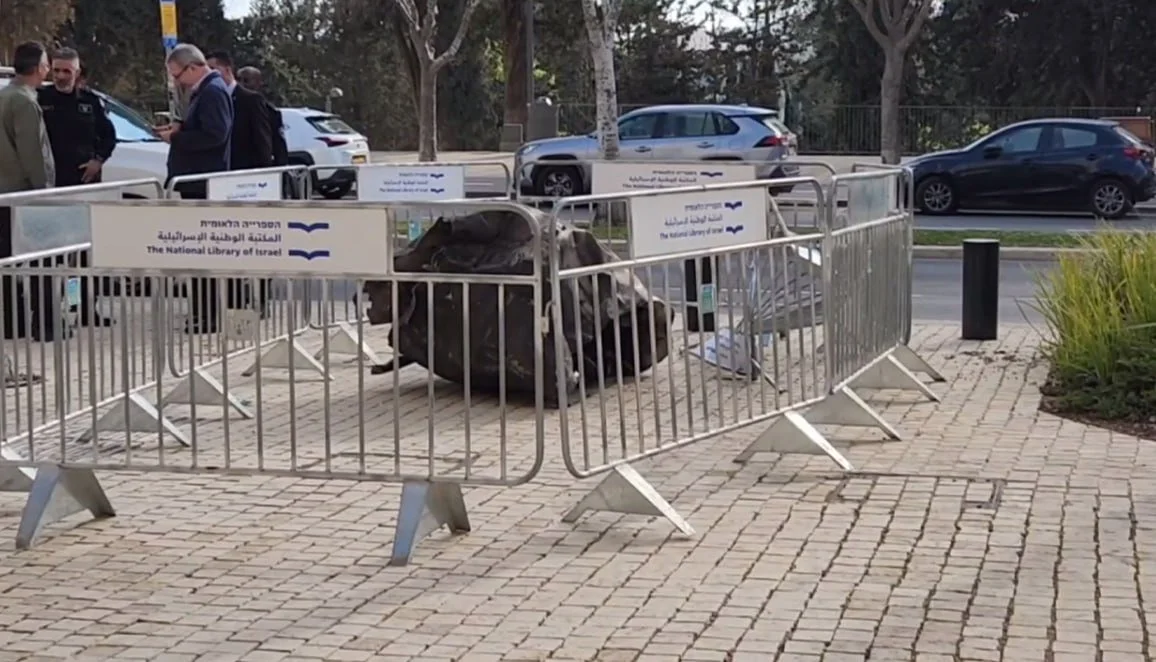
The team remains in close daily contact with coordinators and participants, identifying high-risk situations, making referrals to professional services, and, when needed, visiting individuals in person, assisting with urgent housing, and even opening homes to those in need of shelter and care. Recent events have underscored that no place feels entirely safe—missile fragments have fallen in Jerusalem, including near the National Library and in the Old City.
At the same time, the economic impact is growing. Tens of thousands are losing jobs each week, including many women and immigrants in our community. Several of our coordinators and participants have lost their primary sources of income.
Despite these challenges, PKI continues to provide a consistent and empowering framework of support. Each day, they host multiple online sessions reaching 80–100 participants live—and hundreds more afterward—including emotional support groups with psychologists and social workers, art therapy, women’s health programs, educational workshops, and Jewish learning.
Even now, PKI builds for the future—developing new partnerships with national LGBTQ+ leadership networks and the Israeli AIDS Task Force to expand access to vital health and prevention programs for Russian-speaking women and LGBTQ+ community members.
In the face of ongoing uncertainty, our community continues to show up for one another with resilience, care, and connection.